
Compressed air energy audits consistently uncover savings that most facilities never knew they were losing. A single unrepaired 3mm leak at 7 bar costs around £1,000 per year, and most industrial compressed air systems are losing far more than that across multiple failure points.
Anglian Compressors, a Branch of Atlas Copco Compressors, has delivered investment-grade compressed air energy audits since 1977. This page covers what our audits involve, how the Atlas Copco AIRchitect framework works, and what you can expect to save.
Why Audit Your Compressed Air System?
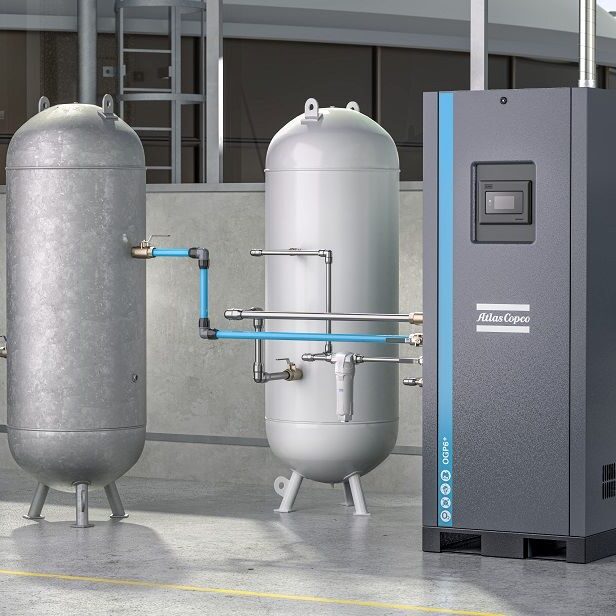
Compressed air typically accounts for up to 40% of a plant’s total energy bill, yet most UK facilities have never had their system independently measured or benchmarked. Hidden issues, air leakage, excess system pressure, and outdated equipment settings, cause compressors to work harder than necessary, burning energy without adding output.
Auditing your compressed air system is a strategic energy management step, not a maintenance tick-box. By analysing real system demand and pressure profiles, an audit identifies specific improvements with quantified savings.
It’s also a compliance requirement for many UK businesses. A professional compressed air audit provides the documented energy consumption baseline required for ESOS (Energy Savings Opportunity Scheme) and SECR (Streamlined Energy and Carbon Reporting) obligations.
The Cost of Doing Nothing
The typical assumption is that a compressor running without obvious faults is running efficiently. The specific mechanism that breaks this assumption is artificial demand: running the system at higher pressure than end-use equipment actually needs forces excess air volume through every unregulated orifice and leak, creating consumption that serves no production purpose.
Artificial demand typically accounts for 10–15% of total energy consumption in a standard industrial facility. Every 1-bar reduction in system discharge pressure delivers around 7% direct energy savings, and simultaneously reduces the volume of air lost through leaks by around 11%. Without an audit, this waste continues undetected and unquantified.
Our compressed air energy audits use the Atlas Copco AIRchitect framework, a tiered audit structure designed to match the correct depth of assessment to your specific operational and compliance goals.
What Does a Compressed Air Energy Audit Involve?
Our audits run for a minimum of 7 days, capturing a complete demand profile across all shifts, weekends, and peak-use events that a shorter log would miss entirely. The Atlas Copco AIRchitect framework structures this process across three tiers, each matched to a specific operational goal.
The Three AIRchitect Audit Tiers
- Tier 1, airCHECK, is a non-intrusive visual walkthrough of the compressor room. It identifies immediate quick wins and equipment health issues without disrupting production, and produces a verbal summary rather than a compliance document.
- Tier 2, the AIRchitect Survey, deploys the iiTrak data-logging device for 7–10 days. It captures a real-world load profile and produces load profile graphs, ROI calculations, and payback periods referenced against ISO 1217 Annex C or E performance curves. This is the correct entry point for capital investment decisions.
- Tier 3, AIRScan, is compliant with BS EN ISO 11011:2015 and supports ISO 50001 benchmarking. It incorporates ultrasonic leak detection, air quality testing to ISO 8573-1, and vibration analysis. Only Tier 3 generates the investment-grade data set needed to substantiate ESOS Phase 3 compliance evidence.
What We Measure During the Audit
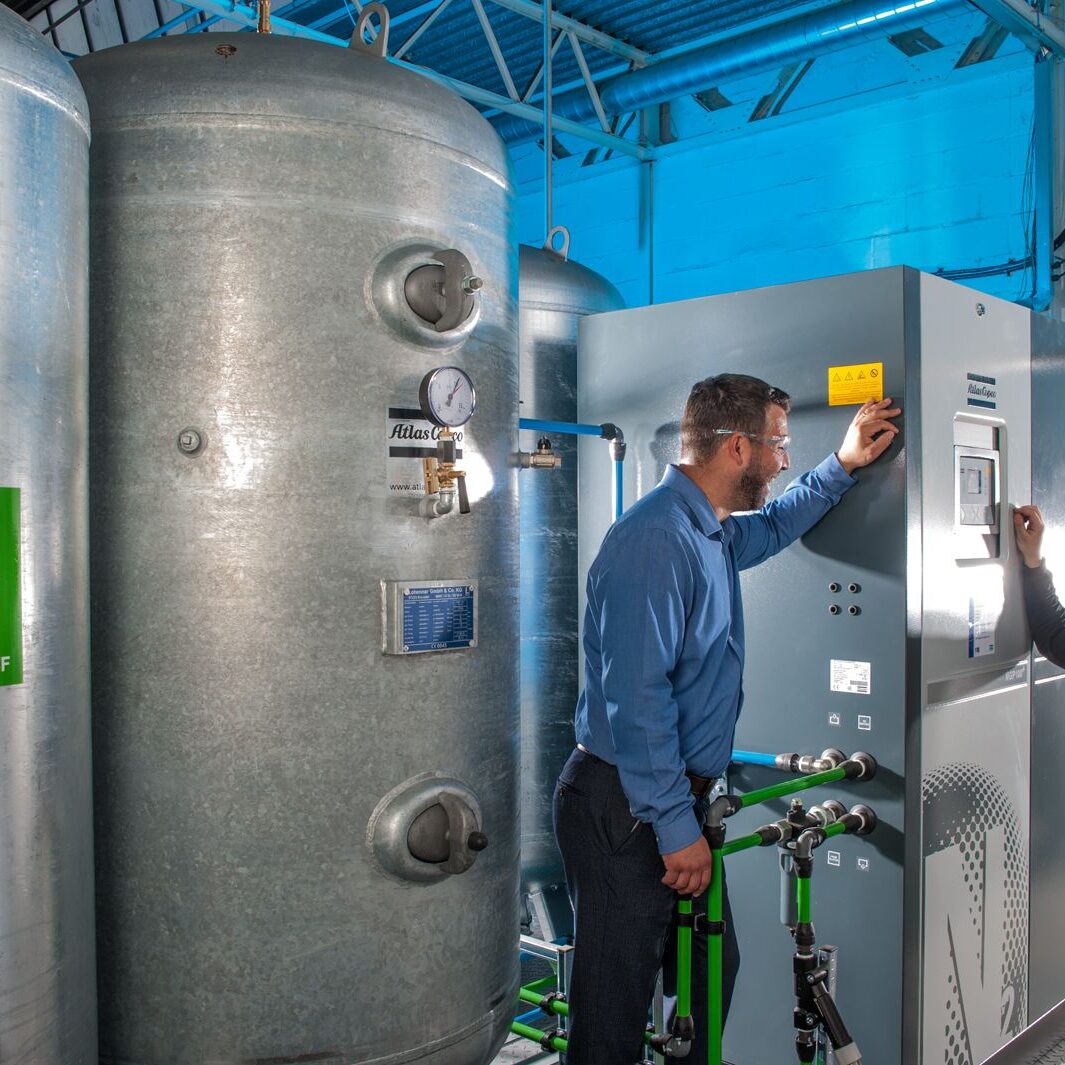
Every audit includes a full inventory of your compressed air installation, a visual inspection of the compressor room and distribution network, and ultrasonic leak detection using acoustic imaging cameras equipped with 124 microphones. These locate leaks up to ten times faster than traditional methods, even in noisy industrial environments.
We install data loggers and flow meters at key points in your system. The Atlas Copco iiTrak device uses non-intrusive current transformer (CT) sensors clipped onto the incoming electrical supply, requiring no wiring changes and no production interruption. It records power, dew points, flow, and pressure continuously across the full logging window.
Each identified leak is quantified in litres per minute and assigned a specific annual cost and CO2 impact, giving you a prioritised repair list with clear financial justification. This data forms the foundation of everything that follows.
What the AIRchitect Audit Reveals
After a full AIRchitect audit, we hold a complete picture of how your system is performing and how well it could perform. Our methodology follows BS EN ISO 11011:2015 (the international standard for compressed air system energy assessments), covering Generation, Transmission, and Demand subsystems in full.
The AIRchitect simulation software maps your iiTrak electrical data against ISO 1217 Annex C or E compressor performance curves to define your AS-IS system status. It then models TO-BE scenarios, simulating Variable Speed Drive (VSD) technology or centralised control against your actual load profile, to calculate projected energy savings with mathematical certainty.
Typical Audit Recommendations
- Leak repairs are the most common finding. On average, 20–30% of generated compressed air is lost to leaks. In systems with ageing pipework, that figure can reach 40%. Where leaks need fixing without a shutdown, our RePress on-line sealing service repairs them permanently while the system remains under full operating pressure, using a three-stage protocol of epoxy paste, sealing tape, and fibreglass protective tape.
- Pressure reduction is often the fastest financial win. Reducing system discharge pressure by 1 bar delivers around 7% direct energy savings and cuts air lost through existing leaks by around 11%. Where multiple compressors are running inefficiently in sequence, the Atlas Copco Optimizer 4.0 is a frequent AIRchitect recommendation, managing up to 30 compressors simultaneously and reducing total energy consumption by up to 10%.
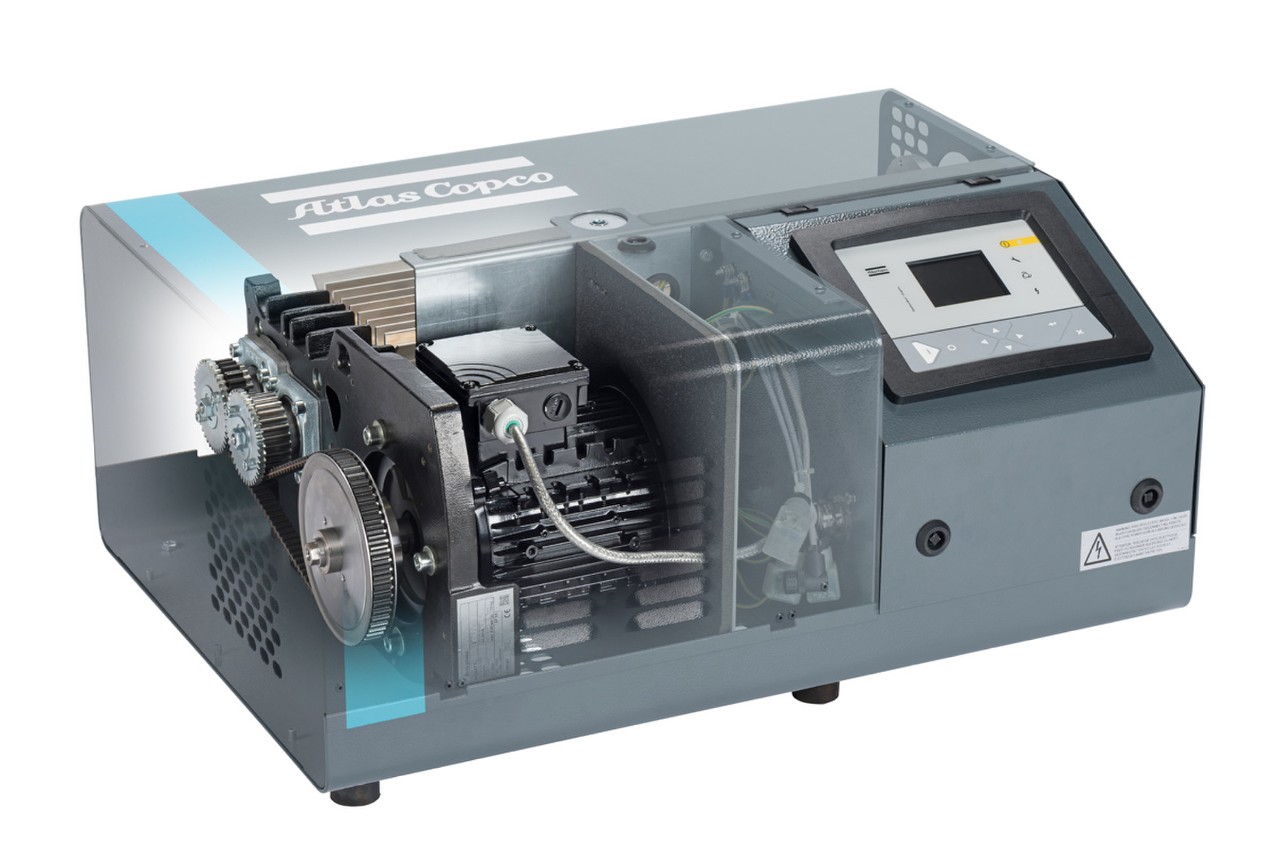
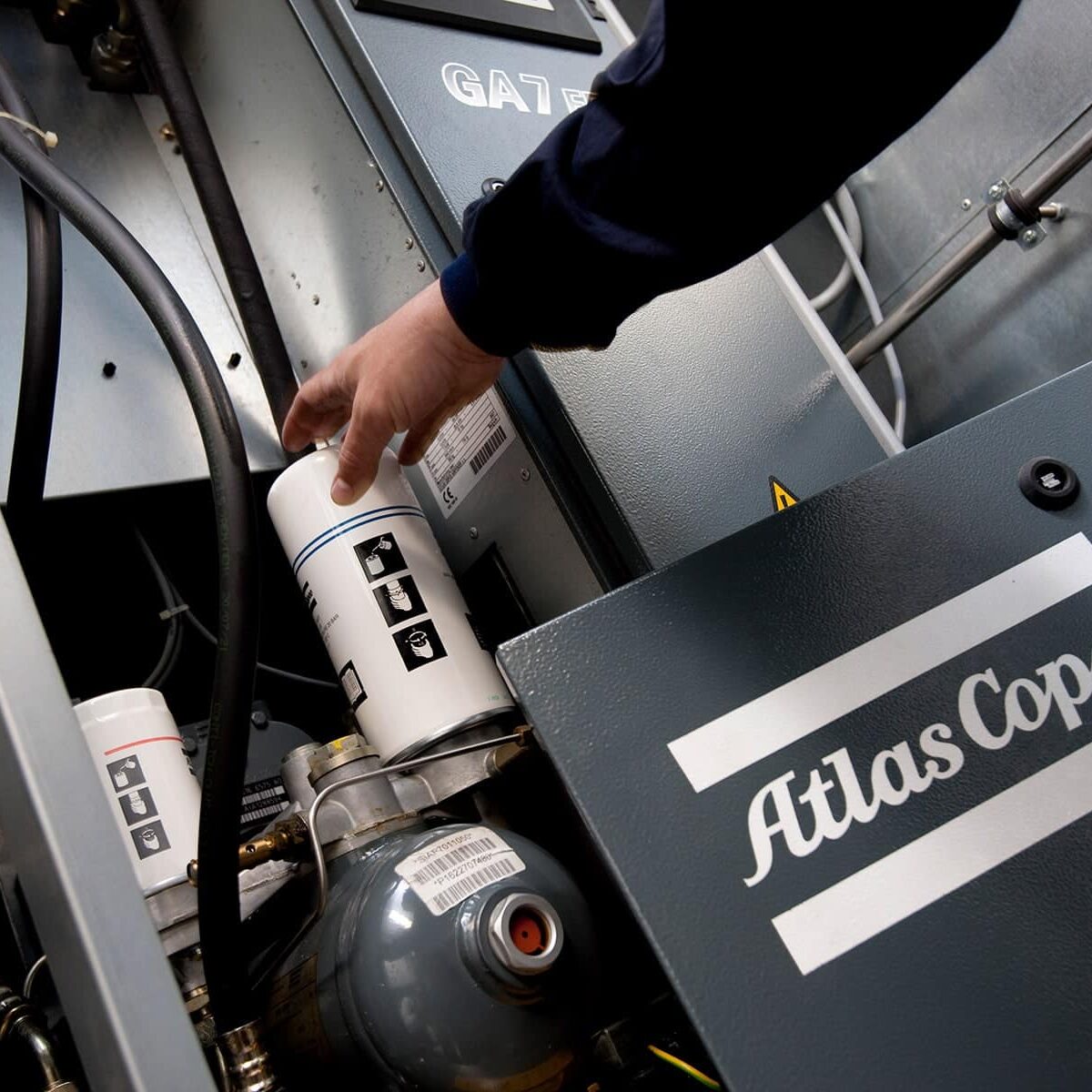
- Equipment upgrades to the Atlas Copco GA VSD+ series are recommended where demand fluctuates significantly. The GA VSD+ features an Interior Permanent Magnet (iPM) motor in a direct-drive configuration, eliminating gear and belt transmission losses. Energy expenses account for 70% of a compressor’s total lifecycle cost, and GA VSD+ technology can reduce energy consumption by up to 60% compared to fixed-speed models.
- Pipework changes are flagged where factory layouts have evolved. Overly long pipe runs and unnecessary bends reduce pressure at point of use. Upgrading to Atlas Copco AIRnet modular pipework improves flow efficiency and future-proofs the distribution network against further layout changes.
- Heat recovery is consistently under-used. Installing heat recovery on a compressor typically recovers at least 70% of total energy consumption as usable heat, providing a direct offset against heating costs on site.
Regulatory Compliance: PSSR 2000, ESOS, and SECR
The Pressure Systems Safety Regulations 2000 (PSSR 2000) (hse.gov.uk) apply to any compressed air system operating above 0.5 bar above atmospheric pressure, which covers virtually every industrial installation in the UK. A Written Scheme of Examination (WSE) is mandatory for any system where operating pressure in bar multiplied by receiver volume in litres exceeds 250 bar-litres.
A standard 500-litre receiver at 7 bar stores 3,500 bar-litres, well within the regulated zone. Anglian Compressors acts as a Competent Person under PSSR 2000, and our Tier 3 AIRScan audit generates WSE-ready documentation and ISO 50001-aligned energy data in a single visit.
What Happens After the Audit?
Our work does not stop when the report is delivered. We can implement any of the audit recommendations directl, and we can also validate the outcome of actions taken by your own team or another contractor, confirming you’ve received the projected benefits.
Continuous Monitoring With Atlas Copco SMARTLINK
For facilities that want to lock in efficiency gains permanently, we deploy Atlas Copco SMARTLINK. It captures over 30 real-time data points and prevents the efficiency drift that typically follows any audit. SMARTLINK Energy supports ISO 50001 compliance through automated KPI reports, and the Elektronikon Nano controller is the first compressor controller to support over-the-air (OTA) software updates, keeping control algorithms current throughout the machine’s lifecycle.
SMARTLINK also acts as an early-fault detection system. In waste recycling facilities, SMARTLINK has been credited with preventing multi-million-pound fire incidents through early detection of bearing and motor anomalies. For food processing and pharmaceutical sites, where unplanned downtime carries direct production and compliance consequences, this level of monitoring is not optional.
This ongoing monitoring capability is the direct continuation of everything the AIRchitect audit identifies, making it the natural final step in any complete energy optimisation programme.
Why Choose Anglian Compressors for Your Compressed Air Energy Audit?
Anglian Compressors, a Branch of Atlas Copco Compressors, has operated since 1977 and is now part of the Atlas Copco Group. Being part of the Atlas Copco Group means our AIRchitect audits are backed by direct manufacturer support, access to factory ISO 1217 performance curve libraries, and manufacturer-trained engineers.
Local Coverage Across East Anglia and the Midlands
Headquartered in a purpose-built facility in Peterborough, we cover a 150-mile radius serving Cambridge, Leicester, Milton Keynes, Northampton, Lincoln, Bedford, Luton, Kettering, Kings Lynn, Spalding, Bury St Edmunds, Stevenage, Grantham, and Stamford.
Our AIRchitect audits comply with BS EN ISO 11011:2015, so findings are independently verifiable and carry the regulatory weight your ESOS and SECR reporting needs. Our recommendations reflect what is best for your organisation, not a generic equipment sales agenda.
That independence, combined with factory-backed access to Atlas Copco performance data, is what makes our audits different from a third-party assessment. The next section covers the questions we hear most from facilities managers and engineering teams before they commission an audit.
Conclusion
Before booking, download the HSE L143 PSSR 2000 Guidance (hse.gov.uk) and check whether your current Written Scheme of Examination covers every pressure system on site. Book your AIRchitect compressed air energy audit with Anglian Compressors, a Branch of Atlas Copco Compressors, serving Peterborough, Cambridge, Leicester, and across East Anglia and the Midlands.
Frequently Asked Questions About Compressed Air Energy Audits
A compressed air energy audit reduces energy consumption by identifying specific losses, leaks, excess system pressure, and inefficient equipment sequencing, and quantifying each in pounds and kilowatt-hours. The Atlas Copco AIRchitect framework models AS-IS performance against ISO 1217 curves, then simulates TO-BE scenarios so you see exactly what each recommended change will save before any capital is committed.